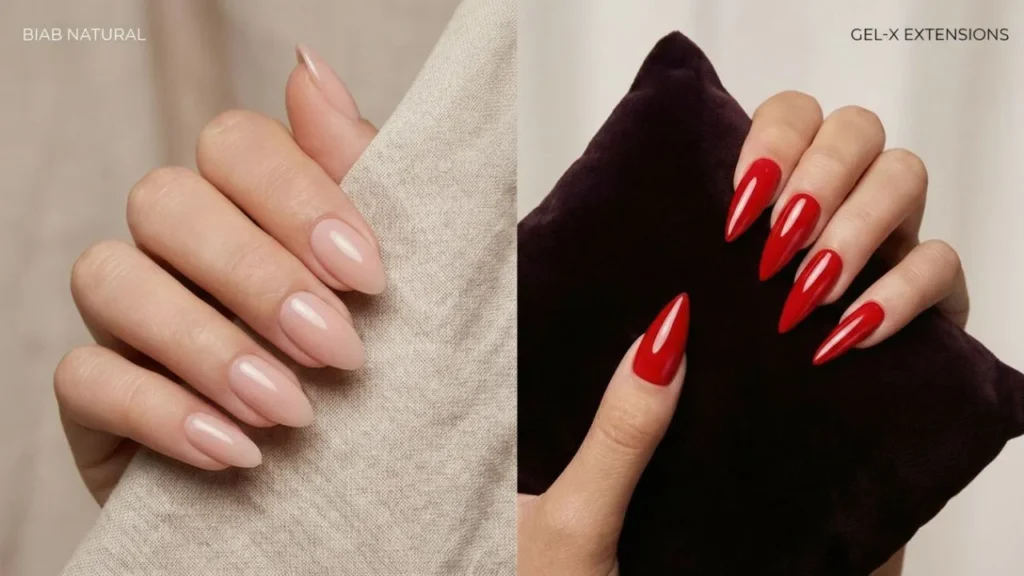
If you have scrolled through TikTok or Pinterest lately, you know that the “acrylic era” is officially fading. In 2026, the focus has shifted entirely to nail health. We want the look of long, expensive manicures, but we are no longer willing to sacrifice the integrity of our natural nail beds to get it. This shift has given rise to the two biggest titans in the nail industry: BIAB vs. Gel-X.
Choosing between them can be confusing. Both promise longevity. Both look flawless. But they serve two completely different purposes. Are you trying to rehabilitate your damaged natural nails, or do you want instant, perfect length for a vacation?
In this comprehensive guide, we are breaking down the science, the cost, and the durability of both systems. Whether you are recovering from years of acrylic damage or just want to know what to ask for at your next appointment, here is everything you need to know about the battle of BIAB vs. Gel-X.
What Exactly is BIAB (Builder In A Bottle)?
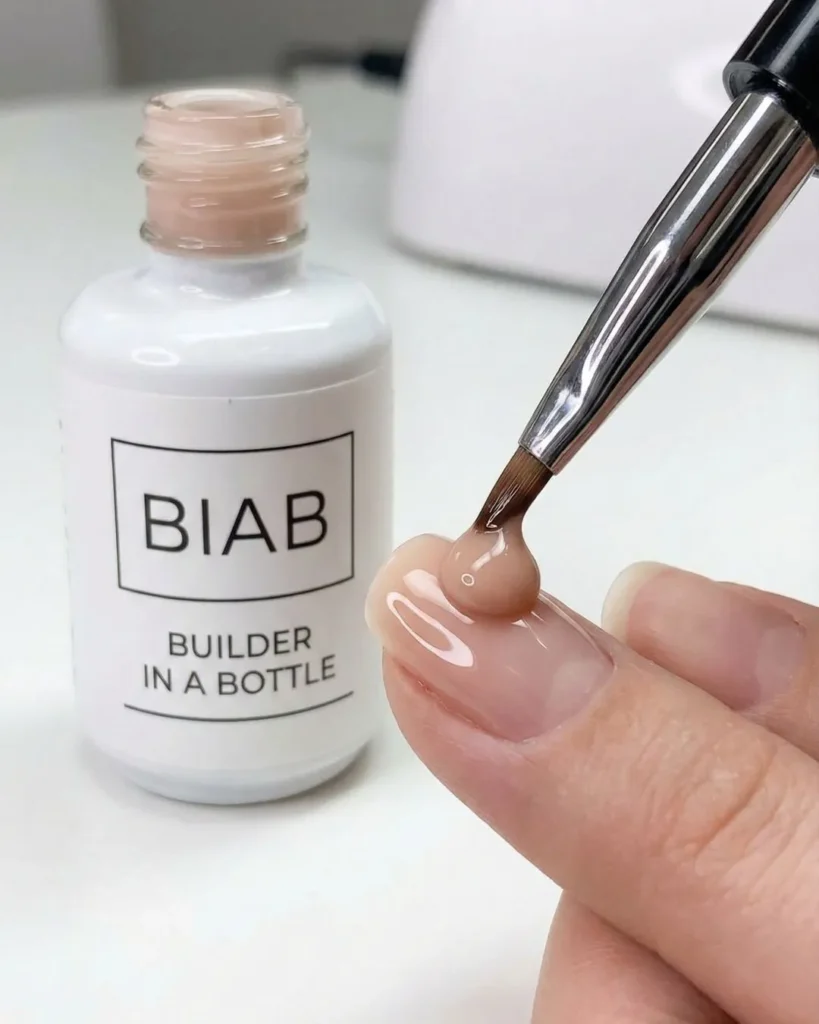
BIAB stands for Builder In A Bottle. It is a specific type of soak-off gel that has a thicker viscosity than your standard shellac or gel polish. Originally created by the brand The GelBottle Inc, the term has become a catch-all for any structured gel manicure designed to strengthen natural nails.
Think of BIAB as a protective helmet for your natural nail. It is applied over your natural length to add structure and strength. Unlike regular gel polish, which is thin and flexible, BIAB cures to be harder and more durable, preventing your natural nail from snapping or peeling as it grows.
Why We Love It:
The “Apex” Structure. A skilled nail tech will use BIAB to build a small “apex” (a curve) on your nail. This isn’t just aesthetic; it adds structural integrity to the stress point of the nail, allowing you to grow your natural nails to lengths you never thought possible.
What is Gel-X (Soft Gel Extensions)?
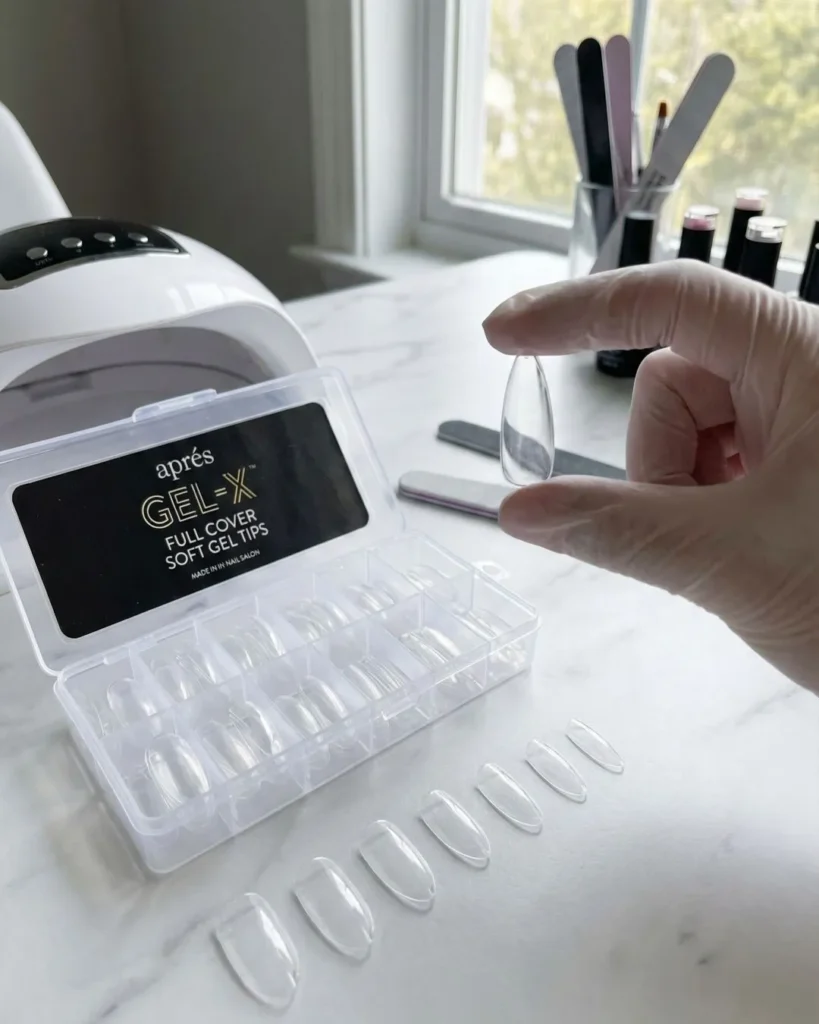
If BIAB is a helmet, Gel-X is a high-tech prosthetic. Created by the brand Aprés Nail, Gel-X is the world’s first soft gel extension system. Unlike acrylics (which are sculpted from powder and liquid) or hard gel (which must be filed off), Gel-X tips are pre-molded, full-cover tips made entirely of gel.
The tech applies the tip to your entire natural nail using a clear gel adhesive and cures it under a UV light. Because the extension covers the whole nail bed, it provides instant, perfect shape and extreme length in a fraction of the time it takes to sculpt acrylics.
Stylist Tip:
Perfect for “Events.” If you bit your nails down to the nub but have a wedding next week, Gel-X is your savior. You walk in with nothing and walk out with perfect, long almond nails in 60 minutes.
The Key Differences: Durability and Strength
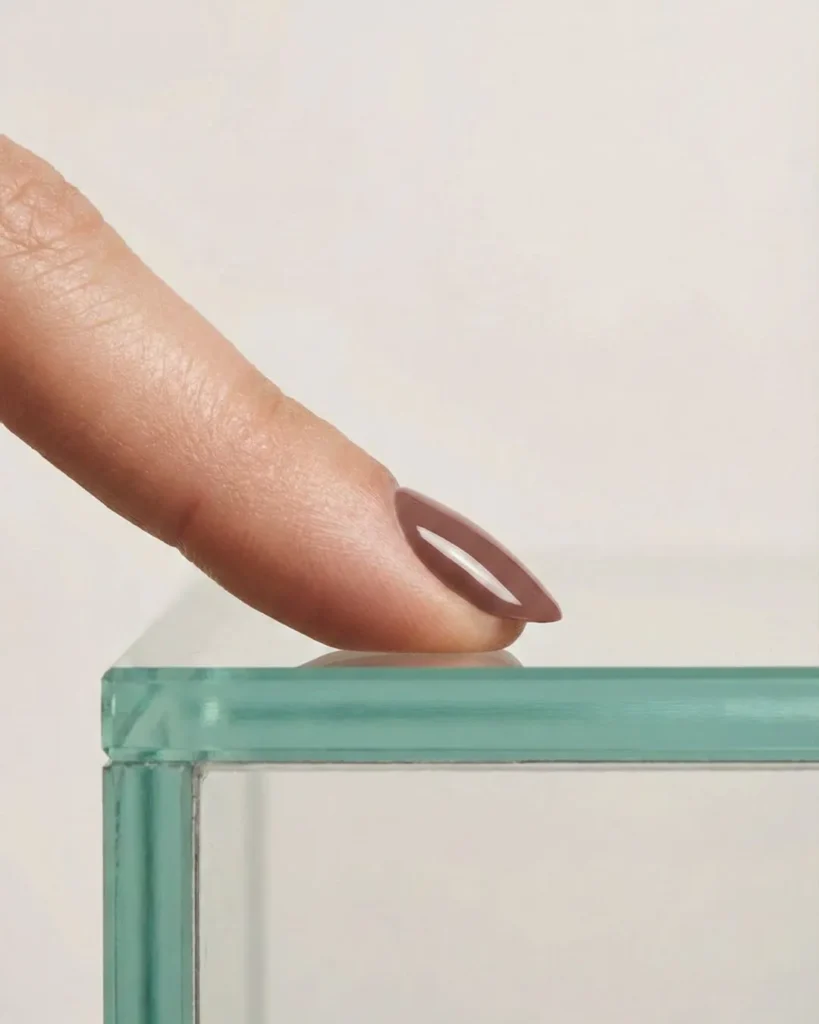
When debating BIAB vs. Gel-X, the primary factor is usually durability. However, “strong” means different things for each system.
BIAB is designed to move with your natural nail while reinforcing it. It is rigid enough to stop breaking, but flexible enough to absorb shock. It is the gold standard for growing out natural nails. If you commit to BIAB for 6 months, you will likely have long, strong natural nails underneath.
Gel-X, on the other hand, is a static extension. It is incredibly durable and less prone to lifting than acrylics because the gel bonds seamlessly to the natural nail plate. However, it does not “fix” the nail underneath. It merely covers it.
Why We Love It:
BIAB is a treatment. We view BIAB as a rehabilitation program. It protects the nail plate from water absorption and daily trauma, allowing the keratin to regenerate underneath the coating.
The Look: Natural vs. Perfectly Sculpted
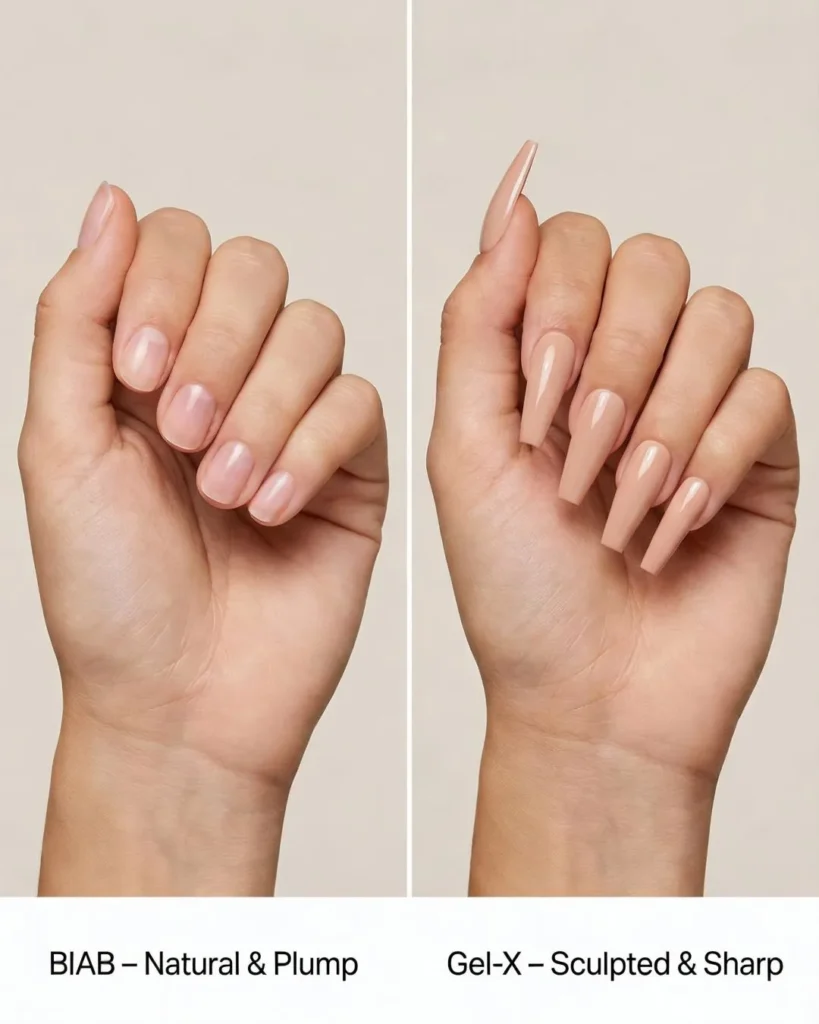
Aesthetically, these two systems offer different vibes. This aligns perfectly with the trends we discussed in our Pinterest Predicts 2026 Nail Trends report.
BIAB tends to look more “plump.” Because the gel is built up to provide strength, the nail will have a beautiful, smooth curve. It looks like your natural nail, but better—juicier and healthier. It is perfect for the “Clean Girl” or “Old Money” aesthetic.
Gel-X looks “manufactured” in the best way possible. Because the tips are pre-molded, every single nail will be the exact same shape and size. If you are a perfectionist who hates when one nail is slightly more crooked than the other, Gel-X provides that crisp, Instagram-filter look immediately.
Stylist Tip:
Check the Cuticles. The hallmark of a good Gel-X set is flush cuticles. If the tip is too thick at the base, it will catch on your hair. Ensure your tech files the base of the tip so it transitions seamlessly into your natural nail.
Who is BIAB Best For?

BIAB is not for everyone, but it is the holy grail for a specific type of client. You are the ideal candidate for BIAB if:
- You want to grow your own nails. You are tired of extensions and want to reach a point where the length is 100% yours.
- You have brittle or peeling nails. The thick layer acts as a shield, preventing the peeling layers from worsening.
- You prefer short to medium length. While you can use BIAB on long nails, it performs best on active lengths.
Why We Love It:
The Fill-In Factor. Unlike Gel-X (which often needs a full removal and new set), BIAB can be “infilled.” You just file down the top color and fill in the growth gap, which minimizes exposure to acetone.
Who is Gel-X Best For?
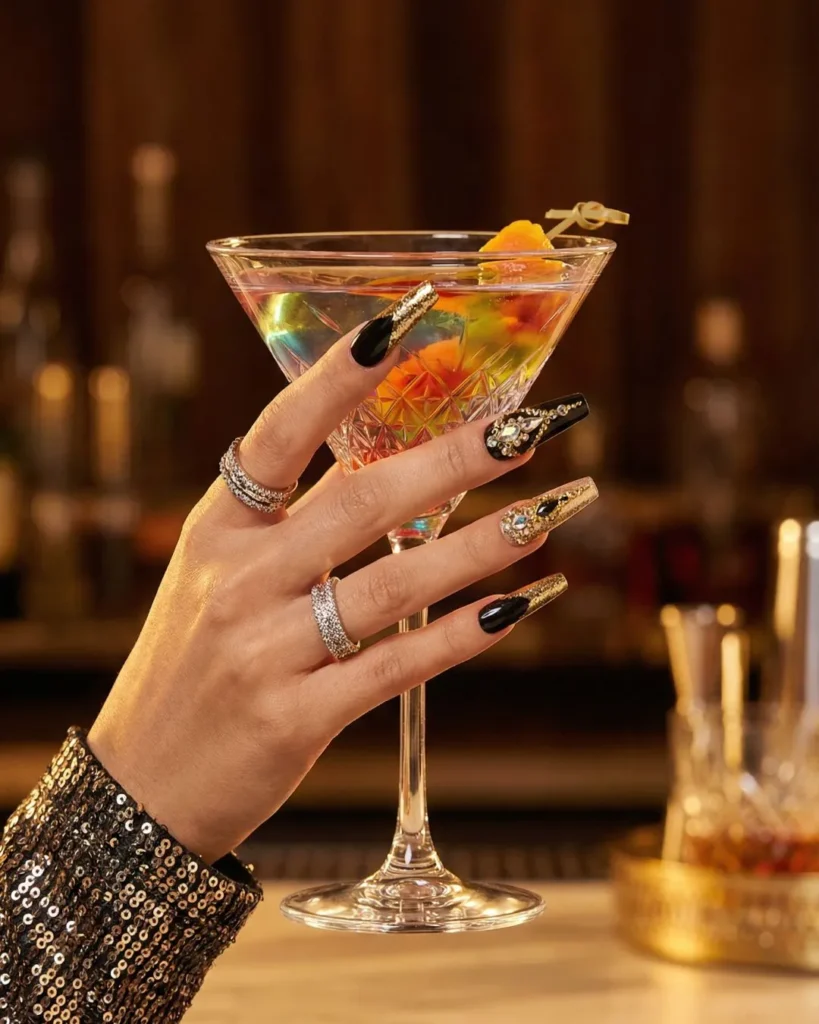
Conversely, Gel-X is the superior choice for clients who want drama without the commitment of acrylics. You should choose Gel-X if:
- You want instant length. You cannot wait 3 months for BIAB to grow your nails out.
- You change your shape often. One month you want Stiletto, the next you want Square. Gel-X allows you to swap shapes instantly.
- You have flat nail beds. Gel-X tips have a built-in “C-Curve.” If your natural nails are flat as a board, Gel-X gives you that salon-quality arch instantly.
Stylist Tip:
Nail Biters Rejoice. Gel-X is often the only option for severe nail biters because there is no “free edge” required to attach the tip. It covers the damage while you break the habit.
The Application Process Compared
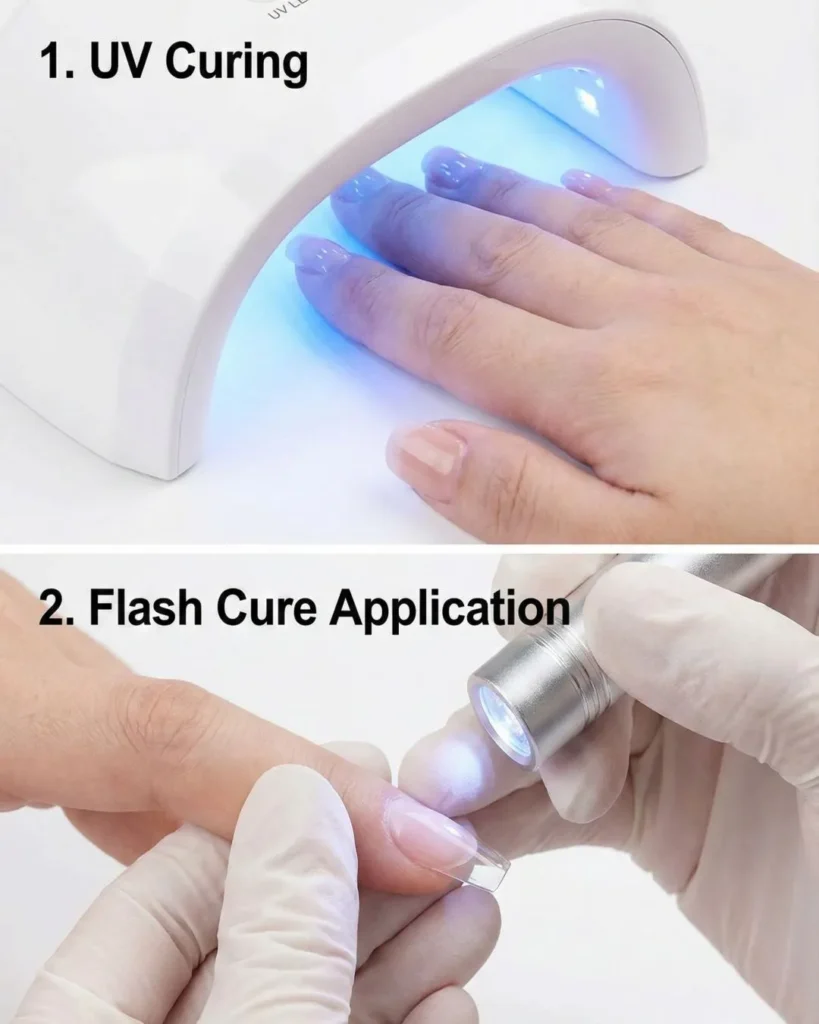
Understanding the process can help you feel less anxious in the salon chair.
The BIAB Process (60-90 Mins):
- Dry Prep: Cuticles are pushed back and cleaned (often using a Russian Manicure technique).
- Base Layer: A thin scrubbing layer of BIAB is applied and cured.
- The Bead: A larger dollop of gel is floated down the center of the nail. The tech flips your hand upside down to let gravity pull the gel into a perfect apex.
- Refining: The shape is lightly filed to perfection.
The Gel-X Process (45-60 Mins):
- Sizing: The tech finds the tip that fits your nail wall-to-wall.
- Etching: The inside of the tip is chemically or mechanically roughened to bond better.
- Flash Cure: This is the crucial step. The tech applies gel to the tip, presses it onto your nail, and holds a small handheld LED light over it for 10 seconds to “freeze” it in place.
- Full Cure: The whole hand goes into the big lamp.
Why We Love It:
No Odor. Unlike acrylics, which use a strong-smelling liquid monomer, both BIAB and Gel-X are completely odorless systems. No more headaches at the salon!
Removal and Safety: Which is Safer?
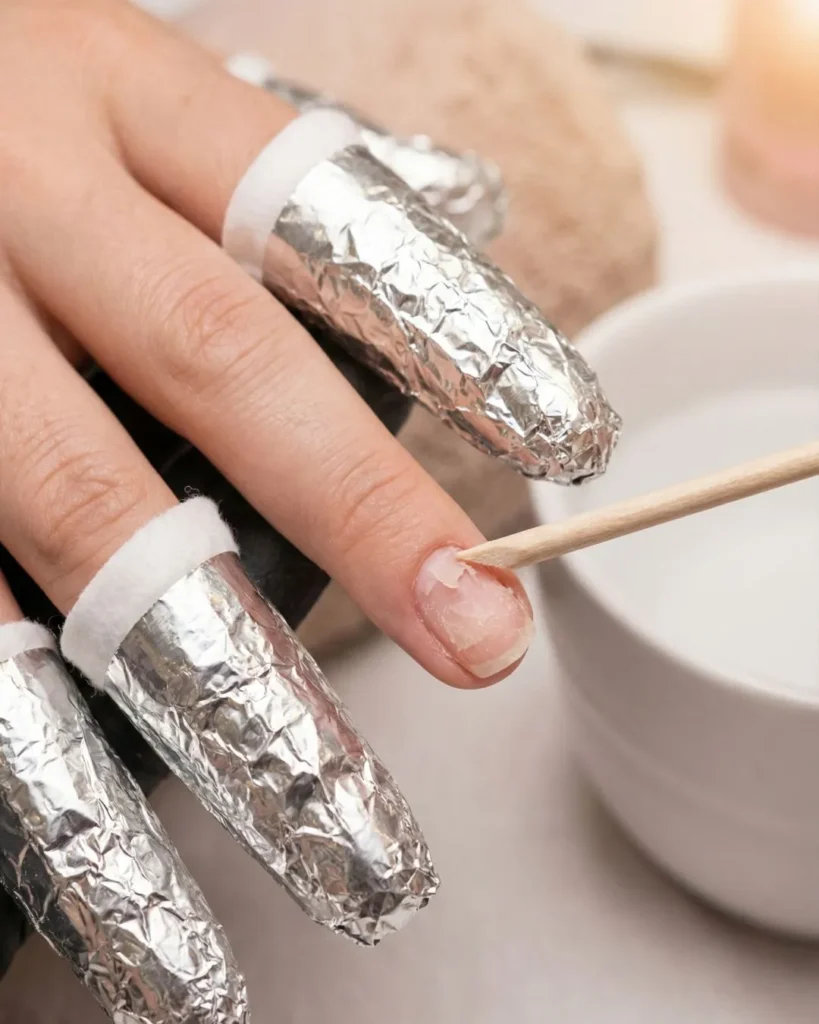
Safety isn’t about the product; it is about the removal. According to Healthline, improper removal is the #1 cause of nail damage, not the gel itself.
Both BIAB and Gel-X are “soak-off” systems. This means they are porous enough to be broken down by acetone. However, Gel-X is generally faster to soak off because the tips are made of soft gel. BIAB is denser and can take longer to break down.
The danger comes if you peel them off. Because BIAB bonds so strongly to the keratin, peeling it off will take layers of your natural nail with it, leaving them paper-thin.
Stylist Tip:
The E-File method. Many modern salons don’t soak BIAB off completely. They file it down to a thin protective layer and apply fresh product on top. This is actually safer than soaking because your natural nail plate is never exposed to scraping or acetone drying.
Cost Analysis: Is It Worth It?
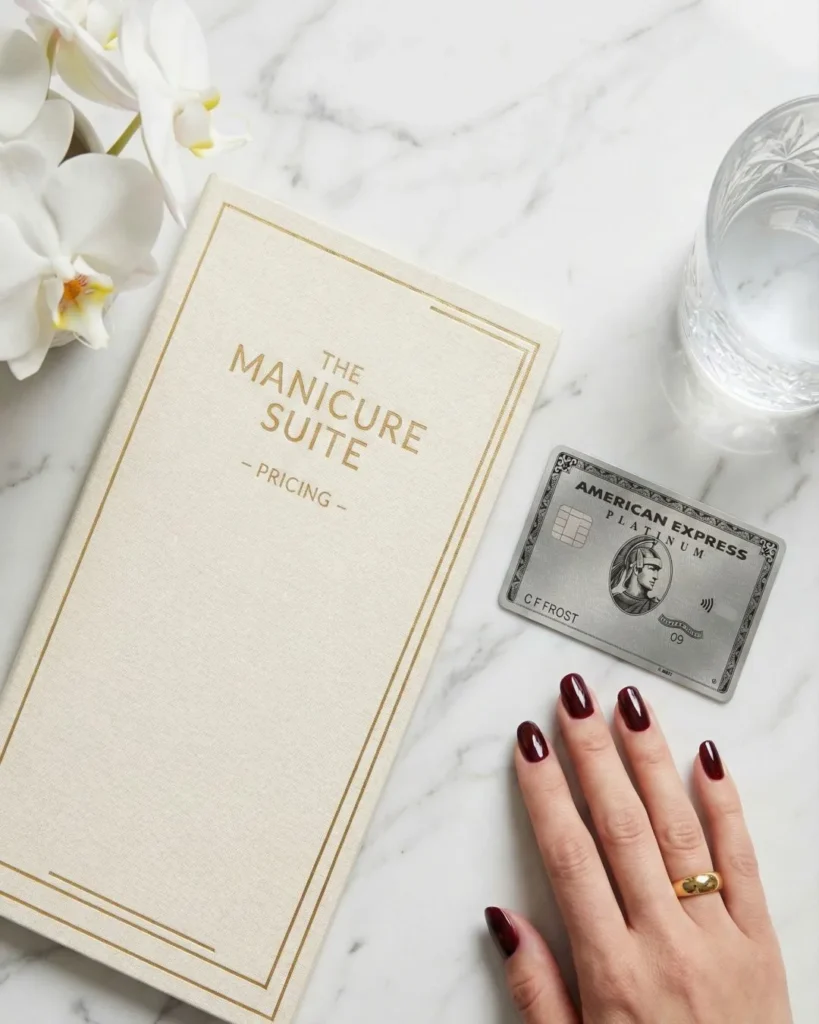
Let’s talk money. In 2026, nail services are an investment.
- BIAB Manicure: Generally costs between $60 – $90. It is more expensive than regular gel polish because it requires advanced technique to “build” the structure. However, because you can go 3-4 weeks without chipping, the cost-per-wear is excellent.
- Gel-X Set: Generally costs between $80 – $120. You are paying for the cost of the tips and the speed of the service. Keep in mind, Gel-X usually requires a new set every time (or a complex infill), which can add up.
Why We Love It:
Longevity saves money. While BIAB costs more upfront than a basic $40 manicure, a basic mani might chip in 7 days. BIAB lasts 21+ days. You are paying for peace of mind.
2026 Trends: The Hybrid Method
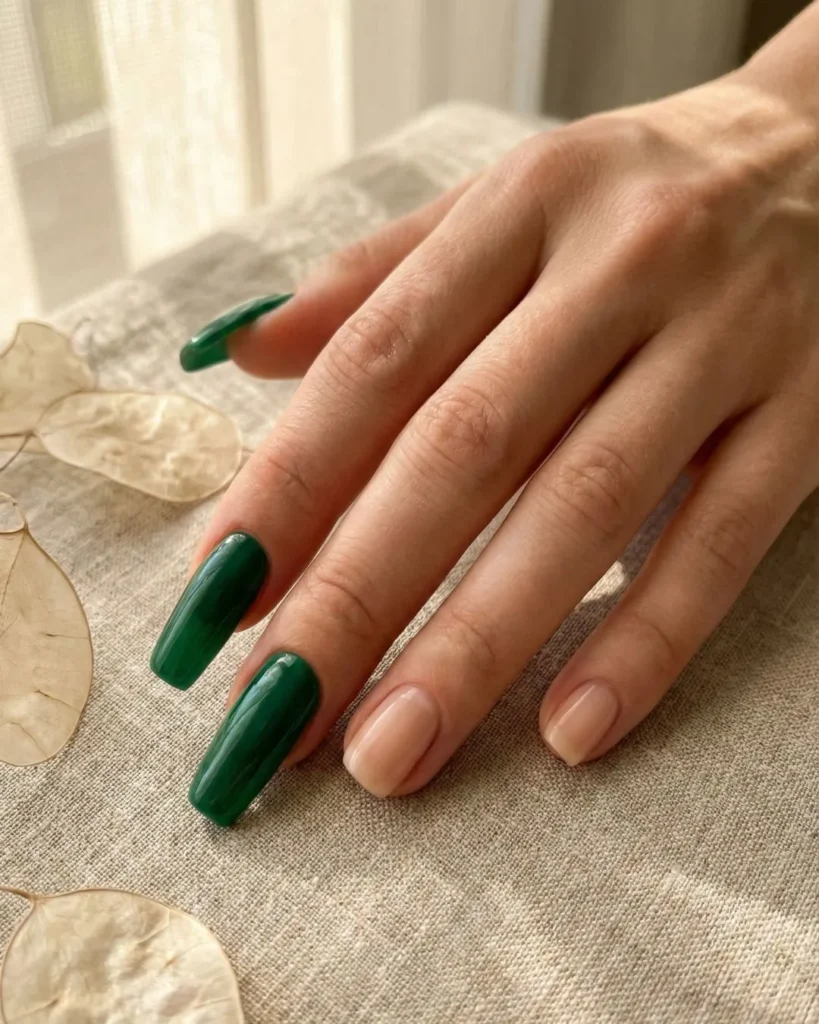
The biggest trend we are seeing this year is the “Hybrid Transition.” This is where a client starts with Gel-X to get immediate length for an event, but uses BIAB underneath as the Gel-X grows out.
Eventually, the natural nail grows long enough under the Gel-X tip that the extension can be filed away, leaving just the natural nail reinforced with BIAB. It is the perfect bridge between artificial length and natural health.
Stylist Tip:
Don’t rush the transition. If you are switching from Gel-X to natural BIAB, expect it to take 3-4 appointments. Your natural nails need time to harden after being covered by extensions.
Frequently Asked Questions
Does BIAB ruin your nails?
No, BIAB does not ruin nails; improper removal does. In fact, BIAB is formulated to strengthen nails. However, if a technician over-files your natural nail plate during prep, or if you rip the gel off at home, damage will occur. Always seek a certified professional.
Can you fill Gel-X or do you have to soak off every time?
Technically, you can fill Gel-X with BIAB or hard gel as it grows out. However, most technicians prefer to soak off and apply a fresh set. This is because the plastic/gel tip can degrade over time, and the apex placement moves as the nail grows, compromising the structure.
Which lasts longer: BIAB or Gel-X?
Both should last 3-4 weeks without lifting if applied correctly. However, BIAB tends to have slightly better longevity on “oily” nail beds because the product is massaged into the nail plate, whereas Gel-X relies on the adhesion of the bonding layer between the tip and the nail.
Conclusion: The Verdict
The battle of BIAB vs. Gel-X doesn’t have a single winner—it depends entirely on your goal.
If your 2026 resolution is to embrace your natural beauty and rehabilitate your nail health, BIAB is your undisputed champion. It is a journey, but the reward is strong, natural claws that are 100% yours.
If you crave instant gratification, consistent perfection, and the ability to switch shapes on a whim, Gel-X remains the queen of extensions. It offers the look of acrylics without the damage or the smell.
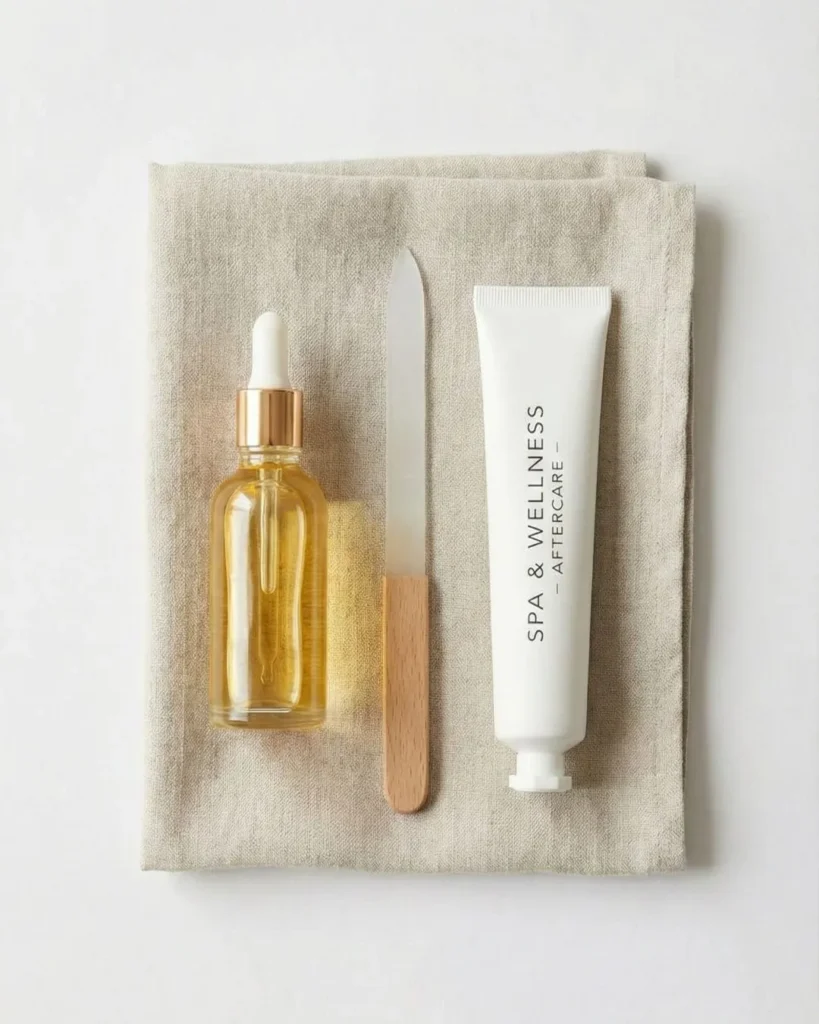
Whichever you choose, the golden rule remains the same: oil your cuticles twice a day, and never, ever use your nails as tools.
Read Next: Now that you know which system to choose, check out our report on the Pinterest Predicts 2026 Nail Trends to decide on your next design.
Pingback: The Russian Manicure Explained: Why Everyone is Obsessed (And Is It Actually Safe?) - The Nail Aesthetic